
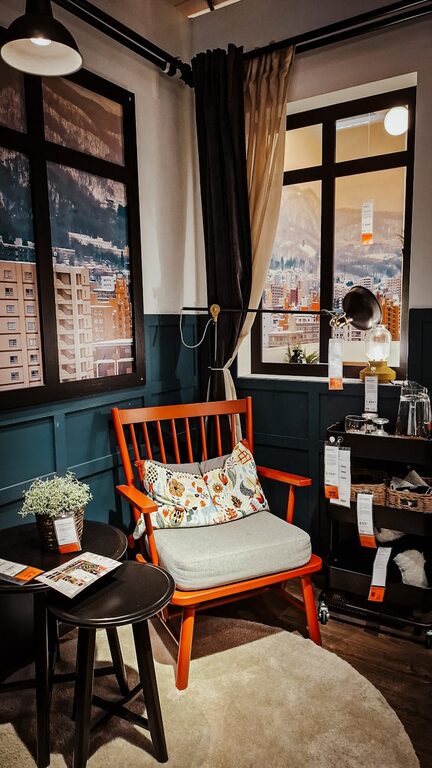
Creating a comfortable and inviting atmosphere in your home largely depends on the lighting you choose. Good lighting not only brightens your space but also influences your mood, productivity, and overall comfort. With many options available, selecting the right lighting can feel overwhelming. This guide offers helpful tips to make the process easier and ensures your lighting enhances both the function and feel of your home.
Why Comfortable Lighting Matters
Lighting affects how you experience your home. Harsh or poorly placed lights can cause eye strain, fatigue, and disrupt your relaxation. Conversely, well-thought-out lighting improves ambiance, highlights interior features, and supports daily activities. When you choose lighting designed for comfort, you create a space that feels welcoming and suits your lifestyle.
Understand Different Types of Lighting
Before choosing fixtures, it’s important to know the three main types of lighting:
– Ambient Lighting: General illumination that fills the room evenly. Think ceiling lights or recessed fixtures that provide overall brightness.
– Task Lighting: Focused light meant to help with specific activities like reading, cooking, or working. Desk lamps, under-cabinet lights, and pendant lights are good examples.
– Accent Lighting: Decorative lighting used to highlight artwork, plants, or architectural features. Wall sconces and spotlights often serve this purpose.
Combining these three types thoughtfully can enhance comfort and functionality.
Consider Color Temperature
Color temperature refers to the warmth or coolness of the light, measured in Kelvins (K). It affects the room’s mood:
– Warm Light (2700K–3000K): Cozy and relaxing, perfect for living rooms, bedrooms, and dining areas.
– Neutral Light (3500K–4100K): Balanced and clear, suited for kitchens and bathrooms.
– Cool Light (5000K–6500K): Bright and energizing, often used in workspaces or garages.
For comfortable home lighting, warm or neutral tones usually work best, creating a soothing environment.
Use Dimmers for Flexibility
Dimmers allow you to adjust the brightness based on time of day and activities. Installing dimmable fixtures or using smart bulbs with dimming features puts control in your hands, helping you avoid glare and maintain a comfortable ambience. Dimming can transform a bright room into a soft, relaxing retreat in several seconds.
Pay Attention to Light Placement
Where you position your lights has a big impact on comfort:
– Avoid placing lights directly above eye level to prevent harsh glare.
– Use layered lighting by combining ceiling lights with floor and table lamps.
– Illuminate corners and dark areas to eliminate shadows and imbalance.
– Place task lights near workspaces like desks or kitchen counters for better focus.
Good placement enhances usability and reduces eye strain.
Choose the Right Fixtures and Bulbs
Selecting fixtures that fit both your space and style is important:
– Look for fixtures with adjustable heads or shades to direct light where needed.
– Opt for LED bulbs—they are energy-efficient, long-lasting, and available in various color temperatures.
– Consider bulbs with a high color rendering index (CRI, 80 or above) to ensure colors look natural.
Fixtures that match your décor and lighting needs improve overall satisfaction.
Maximize Natural Light
Natural light is the most comfortable light source. Use window treatments like sheer curtains or blinds that allow sunlight while providing privacy. Arrange furniture to take advantage of daylight. During the day, try to rely on natural light as much as possible, reserving artificial lighting for evenings and cloudy days.
Address Specific Room Needs
Different rooms have different lighting requirements. Here are some room-specific tips:
Living Room
– Use soft, warm ambient lighting paired with accent lights to create a relaxing atmosphere.
– Floor lamps with adjustable brightness add versatility.
– Highlight art or shelves with accent lights.
Kitchen
– Bright, neutral task lighting is essential around counters and appliances.
– Use under-cabinet lights to reduce shadows on work surfaces.
– Overhead lights should provide clear illumination without glare.
Bedroom
– Warm, soft lighting encourages relaxation and better sleep.
– Consider bedside lamps or wall sconces for reading.
– Dimmers help adjust brightness for winding down.
Bathroom
– Neutral, shadow-free lighting near mirrors is important for grooming.
– Combine overhead lighting with wall-mounted fixtures.
– Opt for moisture-resistant fixtures designed for bathroom use.
Incorporate Smart Lighting Options
Smart bulbs and lighting systems bring convenience and comfort:
– Change color temperature and brightness based on time or mood.
– Control lights via smartphone or voice commands.
– Set schedules to simulate natural light patterns.
Smart lighting helps create a personalized lighting experience easily adjusted to your preferences.
Final Thoughts
Choosing comfortable home lighting is about balancing function, mood, and style. By understanding the types of lighting, using warm colors, incorporating dimmers, and paying attention to placement, you can create a bright, cozy environment that adapts to your daily life. Remember to maximize natural light and pick fixtures and bulbs that complement your space. With these tips, your home lighting will not only illuminate but also enrich your living experience.
Happy lighting!