
Reducing food waste at home is an important step toward living more sustainably and saving money. Many households unknowingly throw away a significant amount of food each week, which not only impacts the environment but also affects your budget. The good news is that with some simple changes in how you plan, store, and use food, you can make a big difference. This post will explore practical and easy ways to reduce food waste at home.
Why Reducing Food Waste Matters
Before diving into tips, it’s helpful to understand why food waste reduction is important. When food is wasted, all the resources involved in producing, transporting, and packaging it are also wasted. This includes water, energy, and labor. Additionally, decomposing food in landfills produces methane, a greenhouse gas harmful to the environment. By reducing food waste, you not only save money but also contribute to a healthier planet.
Plan Your Meals Thoughtfully
One of the most effective ways to reduce food waste is through meal planning.
Create a Weekly Meal Plan
Take a few minutes each week to plan your meals. Write down what you intend to make for breakfast, lunch, dinner, and snacks. This helps you purchase only what you need and avoid impulse buys that might end up unused.
Check Your Pantry and Fridge First
Before shopping, check what you already have at home. Using ingredients you already own reduces the likelihood of buying duplicates that may spoil.
Make a Realistic Grocery List
Use your meal plan to create a grocery list. Stick to it when shopping to resist picking up unnecessary items.
Store Food Properly to Extend Freshness
Proper storage can significantly extend the life of your food, reducing spoilage.
Understand Storage Needs
Different foods have different storage requirements. For example, potatoes last longer in a cool, dark place, while leafy greens do best in the fridge crisper drawer.
Use Airtight Containers
Transfer leftovers and opened items like cereal, cheese, or baked goods into airtight containers to keep them fresh longer.
Keep Fruits and Vegetables Separate
Some fruits release ethylene gas, which can speed up spoilage of nearby vegetables. Store them separately to maintain freshness.
Use Leftovers Creatively
Rather than tossing leftovers, find ways to enjoy them or repurpose them.
Eat Leftovers Soon
Make it a habit to eat leftovers within 2-3 days to avoid spoilage.
Repurpose Leftovers into New Meals
Leftover vegetables can be added to soups, stews, or omelets. Stale bread can be turned into croutons or breadcrumbs.
Freeze Excess Food
If you can’t eat leftovers right away, freezing is a great option to preserve food for later use.
Monitor Expiration Dates Carefully
Expiration dates can be confusing, but understanding them helps reduce unnecessary discarding.
Differentiate Between “Best By” and “Use By”
“Best By” often indicates peak quality, not safety. “Use By” relates to safety and should be followed strictly.
Practice First In, First Out (FIFO)
Organize your fridge and pantry so older items are in front and used before newer ones.
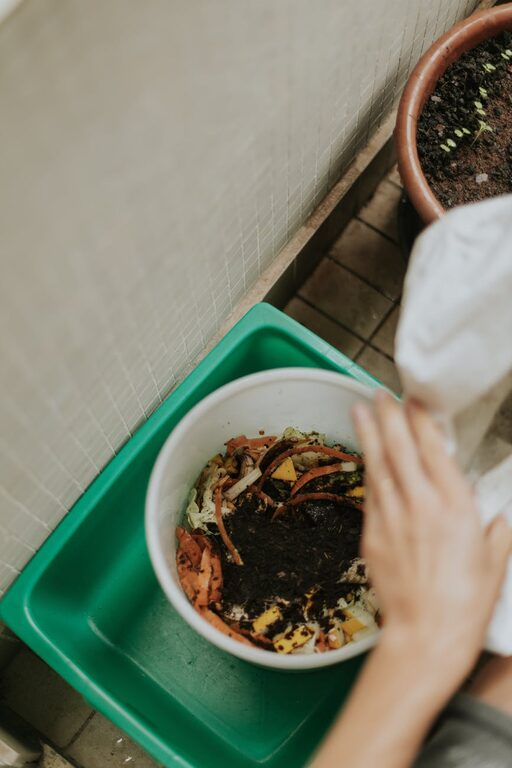
Compost Food Scraps
Not all food scraps can be avoided, but composting them keeps waste out of landfills and produces valuable soil.
Start a Compost Bin
Collect fruit peels, vegetable scraps, coffee grounds, and eggshells in a compost bin.
Use Compost for Plants
Compost enriches garden soil, supporting healthy plant growth.
Shop Smart and Buy Only What You Need
Oversized packages can lead to unnecessary waste if you can’t consume everything.
Buy Loose Produce
Instead of pre-packaged items, buy loose fruits and vegetables. This allows you to purchase exact quantities.
Choose Smaller Portions
When possible, buy smaller packages of perishable goods, especially if you live alone or with a small household.
Educate Your Household
Involve everyone in your home in efforts to reduce food waste.
Share Tips and Goals
Discuss why food waste matters and how everyone can help with planning, storage, and eating habits.
Encourage Mindful Eating
Promote habits like finishing your plate and saving leftovers responsibly.
—
By following these practical strategies, you can significantly reduce food waste at home. This benefits your wallet, lessens your environmental impact, and fosters healthier food habits. Start with small changes and build new routines that support sustainability and conscious living. Every effort counts!